
How Long Does Teeth Whitening Last
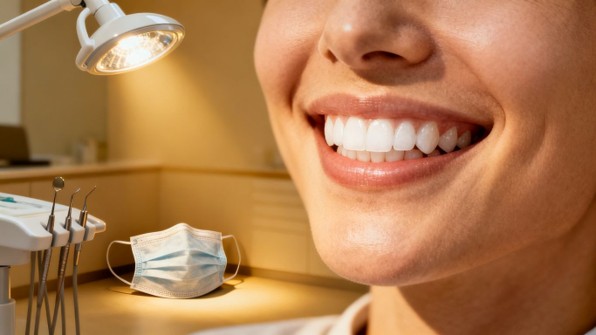
Whitening results fade at different rates depending on the treatment strength, your habits afterward, and even your natural tooth shade. Some patients hold onto a bright smile for two or three years; others notice new staining within months. Here's what actually determines that timeline, from the team at Aqua Dental in White Lake.
How Long Do Professional Whitening Results Actually Last?
Professional treatments use higher concentrations of bleaching agent applied under controlled conditions, which is why they tend to last longer than store-bought options. Systems like Zoom Whitening penetrate deeper into the enamel to break down stubborn stains, and most patients keep a noticeably brighter smile for one to three years with reasonable upkeep.
| Treatment Type | Estimated Longevity | Primary Benefit |
|---|---|---|
| Professional In-Office | 1 - 3 years | Immediate, deep results |
| Custom Tray Systems | 6 - 12 months | Controlled, gradual whitening |
| Over-the-Counter Strips | 3 - 6 months | Economical and accessible |
Treat these ranges as estimates, not guarantees. A few habits reliably extend them: keeping up with regular dental cleanings to remove surface debris, limiting dark-colored foods and drinks, using touch-up kits at the first sign of fading, and following whatever aftercare instructions your dentist gives you at the appointment.
Professional vs. At-Home Whitening: Which Lasts Longer?
In-office treatment generally wins on durability because of the clinical application process and higher-strength solution. At-home kits, such as Opalescence take-home trays, offer more flexibility but need consistent, correct use to get anywhere close to the same longevity. Your starting tooth shade and the cause of your discoloration both affect how either method performs for you specifically, which is part of why a quick exam before starting is worth the time.
Does Teeth Whitening Damage Your Enamel?
Modern whitening, done under professional guidance, is designed to lift stain pigment without compromising enamel. According to the American Dental Association's patient guidance on tooth whitening, temporary sensitivity is the most common side effect and typically resolves within days; permanent enamel damage is not a typical outcome when whitening is done correctly and under supervision. Improper or excessive use of unsupervised bleaching products is where most real risk comes from.
How to Keep Your Teeth White After a Whitening Treatment
Consistency does more for longevity than any single product. Small daily habits slow down new staining and stretch the time between touch-ups, protecting what you paid for in the first place.
Foods and Drinks That Cause Whitening to Fade Faster
Coffee, black tea, and red wine all carry tannins that bond easily to tooth surfaces, while acidic foods soften enamel and make it more porous to staining. If you're not willing to give these up entirely, rinsing with water right after helps limit how much pigment sticks. Cutting back on these specific triggers is consistently one of the most effective ways to protect your results.
Signs It's Time for a Touch-Up Whitening Treatment
A subtle yellowing or loss of that crisp brightness usually means daily diet and habits are catching up with your last treatment. At that point, a touch-up session is often enough to restore your preferred shade without redoing a full treatment from scratch. Most patients who whitened professionally need a touch-up somewhere between the one and two year mark, while at-home kit users often notice fading sooner and may want a refresh every few months if they've stopped using their trays regularly.
Why a Dentist-Supervised Whitening Is Safer Than DIY Kits
A dentist tailors the treatment to your specific oral anatomy and sensitivity level, which generic DIY trays can't do. One-size-fits-all kits sometimes let gel reach the gums or apply unevenly, leading to irritation or a patchy result. Professional supervision keeps the active ingredients managed correctly, which is the real safety advantage over anything you can buy off a shelf. If you're weighing options, our cosmetic dentistry team can walk you through which approach fits your goals and budget.
Getting Started
If you're a new patient, you can review what to expect on our new patients page, or reach out directly through our contact page to ask about scheduling a whitening consultation with Dr. Hasanain Alani or Dr. Zaid Hadi. A quick exam lets either dentist check for cavities, worn enamel, or existing restorations before recommending a whitening method, so you're not stuck guessing which option fits your mouth.
Conclusion
How long your whitening lasts comes down to the method you choose and how much you protect it afterward. Professional treatment paired with a few sensible daily habits is the most reliable way to keep results looking good for years rather than months.
Frequently Asked Questions
Can I whiten my teeth if I have fillings or crowns?
Whitening doesn't change the color of existing restorations, which can create a mismatch. Talk to your dentist before starting if you have visible fillings or crowns.
How soon will I see results?
In-office whitening often shows results the same day, while at-home kits usually take a few weeks of consistent use to show a comparable difference.
Is sensitivity after whitening normal?
Yes, mild temporary sensitivity is common and typically fades within a few days; a desensitizing toothpaste can help in the meantime.
Will whitening work the same for everyone?
No. Results depend on your natural tooth shade and what's causing the discoloration, which is why not every stain responds to bleaching the same way.
Does age affect how white teeth can get?
Yes. Enamel thins over time and can reveal darker dentin underneath, so your dentist can set realistic expectations based on your current dental health.
Blog Post Author

Contributed by DentalROI
DentalROI provides relevant dental content to help providers educate patients. The statements, services, and products referenced in this article have not been evaluated by the Food and Drug Administration, and they are not intended as a substitute for professional medical advice, diagnosis, or treatment. Always seek the advice of your dental provider with any questions or issues you may have. Specific recommendations may vary in different circumstances, so individual consultation is important.