
What Are The 3 Types Of Dental Implants
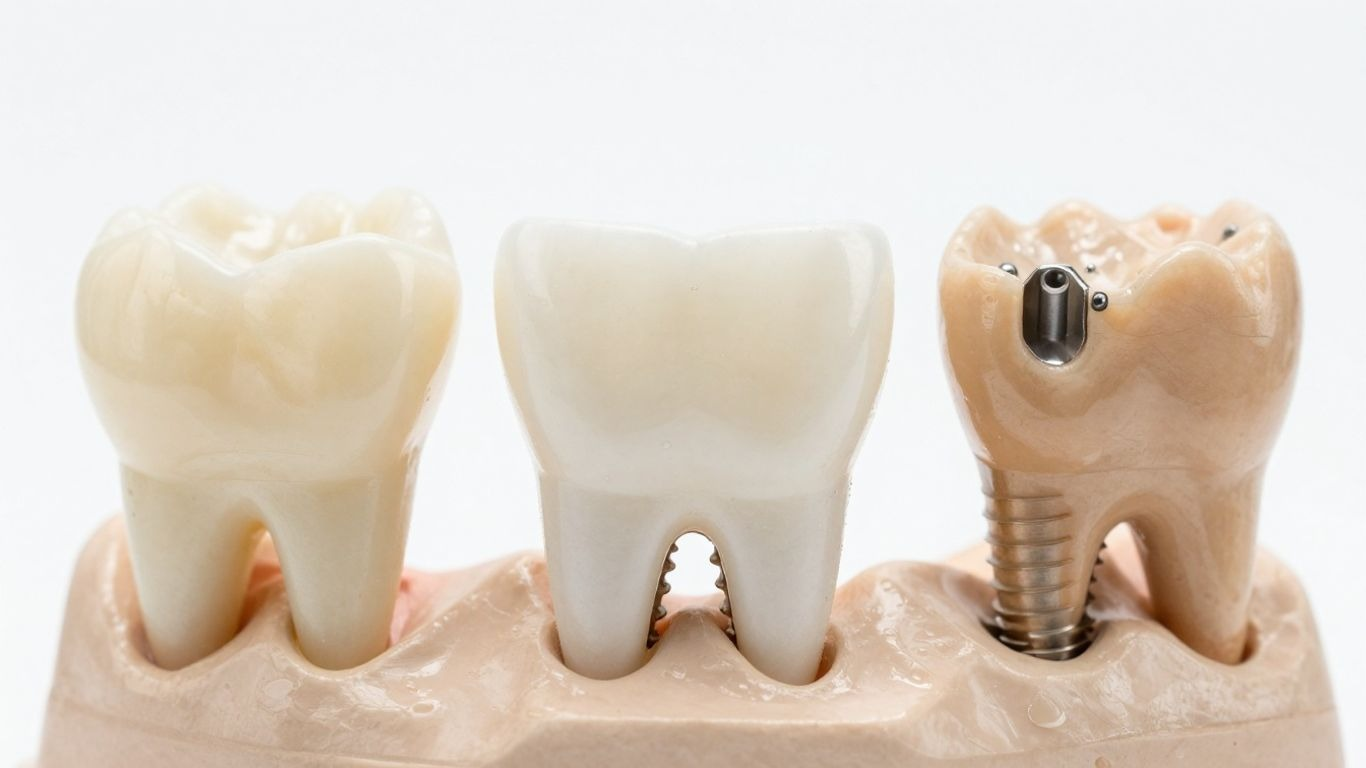
What Are The 3 Types Of Dental Implants
If you’ve lost a tooth or two, or maybe even more, you might be wondering what your options are. Dental implants are a popular way to fill those gaps and get your smile back. But here’s the thing: not all dental implants are the same. You might have heard the question, what are the 3 types of dental implants? Well, that’s exactly what we’re going to talk about here. We’ll break down the main types, what makes each one different, and how to figure out which might work best for you. No dental degree needed—just some straightforward info to help you make sense of it all.
Key Points to Remember
- There are three main types of dental implants: endosteal, subperiosteal, and zygomatic.
- Endosteal implants are the most common and are placed directly into the jawbone.
- Subperiosteal implants sit on top of the jawbone but under the gum, and are used when there isn’t enough healthy bone for other types.
- Zygomatic implants are less common and are anchored in the cheekbone when the upper jawbone can’t support other implants.
- The right type of implant for you depends on your jawbone health, how many teeth you need to replace, and your dentist’s recommendations.
What Are Dental Implants and How Do They Work?
If you're dealing with missing teeth, dental implants might be something you've heard about. They're basically artificial tooth roots, usually made of titanium, that a dentist surgically places into your jawbone. Think of them as a sturdy base for a replacement tooth, whether that's a single crown, a bridge, or even a full set of dentures.
The main idea is to mimic the function of your natural tooth roots. When a tooth is lost, the bone underneath can start to shrink because it's no longer getting the stimulation it used to. Implants help prevent this by integrating with your jawbone over time, a process called osseointegration. This makes them really stable and helps keep your jawbone healthy and in place.
Here's a quick rundown of how the process generally works:
- Consultation: Your dentist will check your mouth, take X-rays, and figure out if implants are a good fit for you. They'll look at your jawbone density and overall health.
- Implant Placement: A small titanium post is surgically inserted into the jawbone where the tooth is missing.
- Healing: This is where osseointegration happens. Your jawbone fuses with the implant, which can take a few months.
- Abutment Placement: Once healed, a connector piece called an abutment is attached to the implant.
- Restoration: Finally, a custom-made crown, bridge, or denture is attached to the abutment, giving you a new, functional tooth.
Dental implants are designed to be a long-term solution for tooth loss. Unlike bridges that rely on neighboring teeth, implants stand on their own, preserving the health of adjacent teeth. They look, feel, and function much like your natural teeth, allowing you to eat, speak, and smile with confidence again.
The 3 Main Types of Dental Implants Explained
So, you're looking into dental implants to fix up that smile, huh? It's a pretty big deal, and knowing the different types of dental implants can feel a bit overwhelming at first. But don't worry, we're going to break down what are the 3 types of dental implants you'll most likely hear about. Understanding these different types of dental implants is key to figuring out what's best for you.
Endosteal Implants
These are the most common ones you'll find. Think of them as small screws that your dentist surgically places right into your jawbone. They're designed to act like the root of a missing tooth. If you've got enough healthy jawbone, this is usually the go-to option. The cool part is that your jawbone actually grows around the implant over time, making it super stable. After it heals, a piece called an abutment is attached, and then your new tooth (the crown) goes on top. These implants are built to last a lifetime with good care.
Subperiosteal Implants
Now, what if your jawbone isn't quite thick or strong enough for an endosteal implant? That's where subperiosteal implants come in. Instead of going into the bone, these implants sit on top of the jawbone but under the gum tissue. A metal framework with posts sticks out through the gums, and that's what the replacement teeth attach to. They're not as common as endosteal implants and might not be as sturdy, but they can be a good solution when bone grafting isn't an option or desired.
Zygomatic Implants
This type is for more complex situations, usually when there's been significant bone loss in the upper jaw. Zygomatic implants are much longer than the other types. Instead of going into the jawbone, they are anchored into the cheekbone, which is called the zygoma. This sounds pretty intense, and it is – it requires a specialist's skill. But for people who can't get traditional implants due to bone loss, these can be a real game-changer, often avoiding the need for extensive bone grafting.
It's important to remember that choosing between these three types of dental implants really depends on your specific situation. Your dentist will look at your jawbone, your overall health, and what you're hoping to achieve to recommend the best fit. So, when you're asking yourself 'what are the 3 types of dental implants?', keep these three in mind as the main players in restoring your smile.
Which Type of Dental Implant Is Right for You?
So, you're looking into dental implants to fix up your smile, huh? That's great! But now comes the big question: which kind is the best fit for you? It's not a one-size-fits-all deal, and honestly, that's a good thing because it means your dentist can really tailor the solution to what you need.
Think about it like this: if you're just missing one tooth, you probably don't need a whole setup for a full mouth. Your dentist will look at a few key things before making a recommendation. They'll check out your jawbone – how much of it you have and how healthy it is. This is super important because the implant needs a solid base to work from. They'll also consider how many teeth you're missing and where they are. Plus, your overall health plays a role, and of course, what you're hoping to achieve with the implants matters too.
Here’s a quick rundown of what might influence the decision:
- Jawbone Health: This is probably the biggest factor. If you have good bone density, you've got more options, like the common endosteal implants that go right into the bone. If your bone isn't quite up to par, procedures like bone grafting might be needed first, or a different type of implant might be suggested.
- Number of Missing Teeth: Are we talking one gap, a few in a row, or a whole arch? Replacing a single tooth is different from replacing several. For multiple teeth, you might look at implant-supported bridges or even options like All-on-4.
- Your Goals: What do you want the end result to be? Do you want something that feels and looks exactly like your natural teeth, or are you looking for a more cost-effective solution that still provides great function?
- Overall Health: Certain medical conditions or medications can affect how well your body heals, which is a big part of the implant process. Your dentist will want to know about anything that might impact the surgery or healing.
The best implant for you is the one that addresses your specific dental needs while also considering your long-term oral health and comfort. It's a conversation you'll have with your dentist, weighing the pros and cons of each suitable option.
Ultimately, the choice isn't just about the implant itself, but about finding a solution that will last, feel comfortable, and let you get back to eating, speaking, and smiling without a second thought. Your dentist is your best guide here, so don't hesitate to ask all your questions!
Benefits of Dental Implants for Long-Term Oral Health
So, you're thinking about dental implants? They're not just about looking good, though they certainly help with that. These things are pretty amazing for keeping your mouth healthy over the long haul. Unlike bridges or dentures that can sometimes cause issues down the road, implants become a part of you, literally.
One of the biggest wins is how they help your jawbone. When you lose a tooth, the bone underneath starts to shrink because it's not getting that stimulation anymore. Implants, being anchored in the bone, mimic that natural tooth root. This means they keep the bone healthy and prevent that sunken-in look that can happen with missing teeth. It's like giving your jawbone a workout it desperately needs.
Here are some of the key advantages:
- Preserves Jawbone: As mentioned, they stimulate the jawbone, stopping bone loss and keeping your facial structure intact.
- Doesn't Harm Other Teeth: Unlike traditional bridges, implants don't need to be anchored to your natural teeth. This means your healthy teeth stay healthy and aren't put at risk.
- Easy to Clean: You brush and floss them just like your natural teeth. No special gadgets or soaking required, which is a relief.
- Long-Lasting Solution: With good care, implants can last a lifetime. Think of it as a one-time investment for decades of healthy smiles.
- Improved Chewing and Speaking: They're stable and secure, so you can eat whatever you want without worry and speak clearly without any slippage.
It's really about restoring not just your smile, but also your overall oral function and health. They integrate so well that you often forget they're even there, allowing you to live your life without constant worry about your teeth.
Of course, they do require a commitment to good oral hygiene. Brushing twice a day, flossing daily, and regular dental check-ups are still super important. But the payoff in terms of comfort, function, and long-term health is pretty significant. It's a solid choice if you're looking for a permanent fix for missing teeth.
What to Expect During the Dental Implant Process
It’s easy to feel nervous about getting dental implants—there’s a lot to think about, and the steps can seem overwhelming at first. But when you break it down, the process is pretty straightforward. Most people are surprised by how manageable it actually is once things get rolling.
Here’s what usually happens from start to finish:
- Initial Consultation and Planning:
- Implant Placement:
- Healing and Osseointegration:
- Abutment Placement:
- Crown or Prosthesis Placement:
Timeline Summary
| Stage | Average Timeframe | What to Expect |
|---|---|---|
| Consultation | 1–2 weeks for planning | Exams, scans, discussion |
| Implant Placement | 1 appointment | Surgery and follow-up |
| Healing (Osseointegration) | 3–6 months | Minimal discomfort, healing |
| Abutment Placement | 1 appointment | Short recovery |
| Crown/Bridge/Denture | 2–4 weeks (after healing) | Impressions, final placement |
Dental implant treatment can take several months from start to finish, but each step is necessary to make sure your new teeth are secure and comfortable for years to come.
Throughout this process, your dentist will keep you updated and check your healing at every stage. If you have questions or concerns, don’t sit on them—it’s always better to ask so you feel more at ease about your treatment.
Wrapping It Up
So, there you have it – the main ways dental implants can help fix missing teeth. Whether you need just one tooth replaced, a few in a row, or a whole set, there's likely an implant option out there for you. It's pretty amazing how these things work to give you back your smile and make eating and talking feel normal again. Talking to your dentist is the best next step to figure out which type fits your situation and your budget. Getting implants is a big decision, but it can really make a difference in how you feel and how your mouth works.
Frequently Asked Questions
What are dental implants made of?
Most dental implants are made of titanium, which is a strong metal that works well with the human body. Some implants can also be made from zirconia, which is a type of ceramic. Both materials are safe and help the implant bond with your jawbone.
How long do dental implants last?
Dental implants can last many years, often a lifetime, if you take good care of them. This means brushing, flossing, and seeing your dentist regularly. The crown or artificial tooth on top may need to be replaced after 10 to 15 years, but the implant itself is very durable.
Does getting a dental implant hurt?
Most people say that getting a dental implant is less painful than having a tooth pulled. Your dentist will use numbing medicine during the surgery, so you shouldn't feel pain. You might feel sore for a few days afterward, but this can be managed with regular pain medicine.
Who is a good candidate for dental implants?
A good candidate for dental implants is someone who has healthy gums and enough bone in their jaw to hold the implant. If you have lost a lot of bone, your dentist might suggest special types of implants or a bone graft. People who smoke or have certain health problems may need to talk with their dentist to see if implants are right for them.
How do I take care of my dental implants?
Taking care of dental implants is much like caring for your natural teeth. You should brush and floss every day, use a soft toothbrush, and visit your dentist for checkups and cleanings. Avoid chewing on very hard foods or using your teeth to open things, as this can damage the implant or crown.
What is the difference between endosteal, subperiosteal, and zygomatic implants?
Endosteal implants are the most common and are placed directly into the jawbone. Subperiosteal implants sit on top of the jawbone but under the gum. Zygomatic implants are longer and anchor into the cheekbone, used when there isn't enough jawbone for other types. Your dentist will help decide which type is best for you.
Blog Post Author

Contributed by DentalROI
DentalROI provides relevant dental content to help providers educate patients. The statements, services, and products referenced in this article have not been evaluated by the Food and Drug Administration, and they are not intended as a substitute for professional medical advice, diagnosis, or treatment. Always seek the advice of your dental provider with any questions or issues you may have. Specific recommendations may vary in different circumstances, so individual consultation is important.