
What Happens During a Comprehensive Dental Exam?
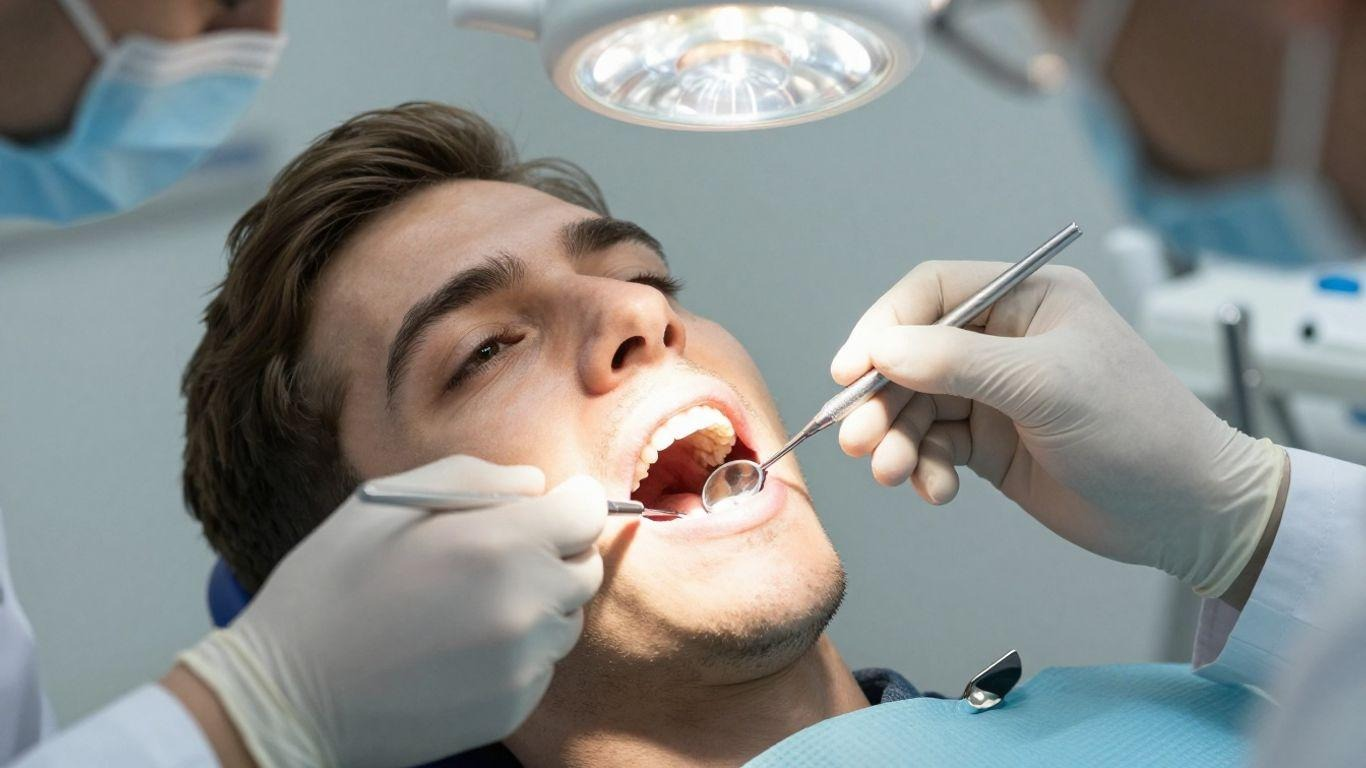
Comprehensive Dental Exam: What to Expect
So, you've got a comprehensive dental exam coming up. What exactly goes down? Think of it as a super-detailed check-up for your whole mouth, way more than just a quick peek. It's designed to give your dentist a really good look at everything, from your teeth and gums to all the soft stuff inside your mouth. The main goal is to catch any little issues before they turn into big problems.
Here's a general idea of what you can expect:
- A chat about your health: The dentist will likely ask about your medical history and any concerns you have about your teeth or gums.
- Visual inspection: They'll look closely at your teeth, gums, tongue, cheeks, and the roof of your mouth.
- Checking existing work: If you have fillings, crowns, or bridges, they'll check those too.
- X-rays: Often, these are part of the deal to see what's going on under the surface.
This kind of exam is really about prevention. It's like getting a full report card for your mouth, helping to spot things early so you can avoid more serious and costly treatments down the road.
What Does the Dentist Check During a Full Dental Exam?
During a full dental exam, the dentist is basically doing a deep dive into your oral health. They're not just looking for cavities, though that's part of it. They're examining each tooth individually, checking its position and condition. They'll also pay close attention to your gums, looking for any signs of redness, swelling, or bleeding, which can be early indicators of gum disease. The dentist will also check your bite and how your jaw is functioning. An oral cancer screening is usually included, where they check the soft tissues for any unusual spots or sores.
Here's a breakdown of what gets checked:
- Teeth: Looking for decay, cracks, wear, and checking any existing fillings or crowns.
- Gums: Assessing for signs of gingivitis or periodontitis, checking gum line, and measuring pocket depths.
- Soft Tissues: Examining the tongue, cheeks, palate, and throat for any abnormalities or signs of oral cancer.
- Bite and Jaw: Evaluating how your teeth come together and checking for any issues with your temporomandibular joint (TMJ).
- Overall Oral Health: This includes looking at your salivary glands and lymph nodes in the neck.
Comprehensive Oral Exam Procedure Explained
So, what actually goes down during one of these "comprehensive oral exam procedure explained" sessions? Think of it as the deep dive into your mouth's health, way more than just a quick peek. It's where your dentist really gets to know what's happening, not just with your teeth, but your gums, jaw, and all the soft bits too. They're building a complete picture, kind of like a detective for your smile.
How Long Does a Comprehensive Dental Exam Take?
This isn't a "in and out" kind of deal. A full exam usually takes longer than your regular cleaning appointment. You're looking at anywhere from 45 minutes to an hour, sometimes even a bit more, depending on what they find and if you're a new patient. It's a thorough process, so blocking out a decent chunk of time is a good idea. They're not just rushing through; they're taking detailed notes and really examining everything.
How Often Should You Get a Comprehensive Dental Exam?
For most folks, a comprehensive dental exam isn't something you need every single year. Dentists often recommend one every three to five years. However, if you're new to a practice, you'll likely get one on your first visit. Also, if you have certain health conditions or a history of dental issues, your dentist might suggest having one more often. It really depends on your personal oral health situation.
This kind of in-depth check-up is all about prevention. Catching little things early means avoiding bigger, more painful, and more expensive problems down the road. It's like getting an oil change for your car before the engine seizes up – way better to do it proactively.
Here's a general idea of what happens:
- Visual Check: The dentist will look at your teeth, gums, tongue, cheeks, and the roof of your mouth. They're checking for any spots, sores, or changes that don't look right.
- Gum Assessment: They'll check the health of your gums, looking for signs of swelling, bleeding, or recession, which can point to gum disease.
- Bite and Jaw Check: Your dentist will examine how your teeth come together and check your jaw joint for any issues.
- Existing Dental Work: If you have fillings, crowns, or bridges, they'll check their condition.
- X-rays: Often, detailed X-rays are taken to see what's going on below the gum line and inside your teeth, spotting cavities or bone loss that you can't see otherwise.
- Oral Cancer Screening: This is a standard part of the exam, looking for any early signs of oral cancer.
- Medical History Review: They'll also go over your medical history, as things like diabetes or certain medications can affect your oral health.
Comprehensive Dental Exam vs Routine Cleaning: The Difference
Okay, so you've heard the terms "comprehensive dental exam" and "routine cleaning" thrown around. They sound similar, right? But honestly, they're pretty different beasts. Think of it like this: a routine cleaning is like a quick tune-up for your car, while a comprehensive exam is the full, bumper-to-bumper inspection.
What's the Big Deal?
The main difference between a dental exam vs routine cleaning is the depth of the check-up. A routine cleaning is mostly about keeping things tidy – getting rid of plaque and tartar that build up on your teeth. It's super important for preventing cavities and keeping your gums happy. But, it doesn't usually involve a super detailed look at everything.
A comprehensive dental exam, on the other hand, is a much deeper dive. Your dentist isn't just looking at the surface; they're checking out your whole mouth. This includes:
- Every single tooth: They'll check each one for decay, cracks, or any issues with existing fillings or crowns.
- Your gums: They'll check for signs of gum disease, like bleeding or recession, and measure the pockets around your teeth.
- Your bite and jaw: Yep, they'll even check how your teeth come together and if there are any problems with your jaw joint.
- Soft tissues: This is where they do an oral cancer screening, looking for any unusual spots or changes in your mouth, tongue, and throat.
- X-rays: Often, these exams include new X-rays to see what's going on below the gum line and between your teeth, areas you can't see with just a mirror.
When Do You Need Which?
Most people get a routine cleaning and a basic check-up every six months. It's the bread and butter of dental maintenance. A comprehensive dental exam, however, is usually done when you first become a patient at a new dental office, or sometimes every few years after that, depending on your oral health history. It's a more involved process that gives the dentist a really solid baseline of your health.
A comprehensive dental exam is like getting a full report card for your mouth. It's not just about finding problems; it's about understanding your overall oral health picture so you can keep it in tip-top shape.
So, while both are important for a healthy smile, they serve different purposes. Don't skip your routine cleanings, but make sure you're getting those thorough comprehensive exams when recommended!
Why a Comprehensive Dental Exam Matters for Your Health
So, why bother with a full-blown dental exam when you feel like your teeth are fine? Well, your mouth is kind of a big deal when it comes to your overall health. Think of it like this: your mouth is the gateway to the rest of your body, and what's going on in there can actually signal problems elsewhere.
Your Mouth: A Window to Your Health
It might sound a little dramatic, but many serious health issues can show their first signs right in your mouth. We're talking about things like diabetes, heart problems, and even some respiratory issues. A dentist doing a thorough check isn't just looking for cavities; they're looking for clues about your general well-being. It’s a chance to catch something early, which, let's be honest, is always better than dealing with a full-blown crisis later.
Catching Problems Before They Get Big (and Expensive!)
This is probably the biggest perk. That tiny little spot on your tooth? It might just be the start of a cavity. If you catch it now, a simple filling usually does the trick. Ignore it, and you could be looking at a root canal or even losing the tooth. That's way more work, way more time, and way more money.
Here's a quick look at how early detection helps:
- Less Invasive Treatment: Small issues mean simpler fixes.
- Lower Costs: Fixing things early is almost always cheaper.
- Pain Prevention: Avoid the discomfort that comes with bigger problems.
- Saving Teeth: Keeping your natural teeth is the ultimate goal.
It's Not Just About Your Teeth
Beyond cavities and gum disease, a comprehensive exam includes screening for oral cancer. This is super important. Early detection of oral cancer can be lifesaving, giving you more treatment options and a much better chance of a good outcome. It’s a quick check that could make a huge difference.
A thorough dental exam is like getting a complete health report for your mouth. It's about looking at everything – your teeth, gums, jaw, and even soft tissues – to make sure nothing is being missed. This detailed look helps create a baseline for your health, making it easier to spot changes down the line.
Personalized Care for You
Everyone's mouth is different, right? Your dentist knows this. During a comprehensive exam, they take the time to understand your specific situation. They'll look at your medical history, any dental work you already have, and discuss any concerns you might have. This way, they can create a plan that's just for you, focusing on what you need to stay healthy.
Conclusion
So, that's the lowdown on what happens during a comprehensive dental exam. It's way more than just a quick peek; it's a deep dive into your oral health that helps catch problems early. Think of it as a full check-up for your mouth, making sure everything is in good shape. Keeping up with these exams means fewer surprises down the road and a healthier smile for the long haul. Don't skip it – your mouth will thank you!
Frequently Asked Questions
What's the main difference between a regular check-up and a comprehensive dental exam?
A regular check-up is like a quick look to make sure things are okay and to clean your teeth. A comprehensive exam is much more detailed. The dentist checks everything really closely, takes X-rays, and looks at your gums, jaw, and soft tissues to get a complete picture of your oral health.
What exactly does the dentist check during a comprehensive exam?
They check every single tooth for any signs of decay or damage. They also look closely at your gums to see if there's any gum disease, check how your teeth fit together when you bite, and examine the soft parts of your mouth, like your tongue and cheeks, for any unusual spots. They might also do an oral cancer screening.
Why are X-rays part of a comprehensive dental exam?
X-rays are super helpful because they show what's going on inside your teeth and under your gums, things you can't see just by looking. They help find cavities between teeth, check the roots of your teeth, and see if there's any bone loss that might be a problem.
How long does a comprehensive dental exam usually take?
It takes longer than a regular cleaning because there's so much to check. Plan for about 60 to 90 minutes. This gives the dentist enough time to do a thorough job without rushing, so they can really get a good look at everything and discuss any findings with you.
How often should I get a comprehensive dental exam?
If you're a new patient, you'll likely get one at your first visit. For most people with good oral health, it's recommended every three to five years, with regular cleanings in between. But if you have certain health issues or risk factors, your dentist might suggest having one more often.
What happens if the dentist finds a problem during the exam?
Finding a problem early is actually a good thing! It means it can likely be fixed with simpler, less expensive treatments. The dentist will explain exactly what they found, show you if possible, and talk about all the different ways you can fix it. You'll get to decide on the best plan together.
Blog Post Author

Contributed by DentalROI
DentalROI provides relevant dental content to help providers educate patients. The statements, services, and products referenced in this article have not been evaluated by the Food and Drug Administration, and they are not intended as a substitute for professional medical advice, diagnosis, or treatment. Always seek the advice of your dental provider with any questions or issues you may have. Specific recommendations may vary in different circumstances, so individual consultation is important.