What to Eat After a Root Canal: A Dentist's Day-by-Day Food Guide
The tooth and gum tissue around a fresh root canal are tender for a few days, and what you eat during that window has a real effect on how comfortable your recovery is. A little planning around meals goes a long way toward avoiding irritation. Here's the day-by-day breakdown our root canal patients at Aqua Dental in White Lake follow.
Best Soft Foods to Eat in the First 24-48 Hours
Keep it simple for the first two days: nothing that requires heavy grinding or pressure, and nothing extreme in temperature that could aggravate the nerve. The goal is nutrient-dense, soft food that doesn't ask much of your bite.
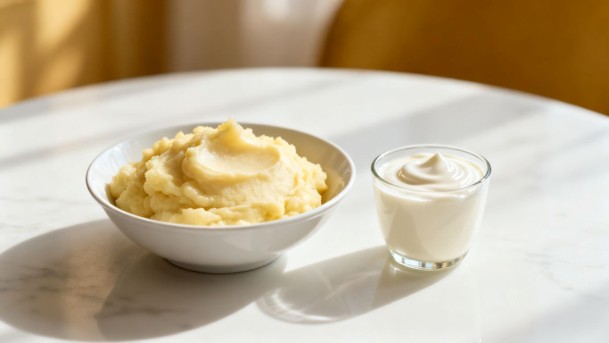
Creamy yogurt or Greek yogurt
- Smoothies without seeds or crunchy add-ins
- Mashed potatoes or sweet potatoes
- Warm, blended soups without large chunks
- Scrambled or soft-boiled eggs
Sticking to this list keeps you fed without disturbing the treated area while it settles.
Foods and Drinks You Should Avoid After a Root Canal
Crunchy, sticky, or chewy foods carry real risk in the first few days: they can dislodge a temporary filling or irritate the tissue around the tooth. It's worth keeping your diet basic until the numbness has fully worn off and you're confident in your bite again. Nuts, popcorn, hard candy, and crusty bread are common culprits, as are sticky foods like caramel or taffy that pull at a temporary crown. Very hot or very cold foods and drinks can also trigger sharp sensitivity in a tooth that's still settling, so lukewarm is generally the safer bet for the first couple of days.
When Can You Eat Normally Again After Treatment?
Timing depends on your comfort level and the specifics of your procedure, but most people can gradually reintroduce firmer textures after the first few days. If you feel any sharp sensation or tenderness, that's your cue to pull back rather than push through it.
| Recovery Phase | Food Texture | Typical Timeline |
|---|---|---|
| Immediate Post-Op | Liquid or Pureed | 0-24 Hours |
| Early Healing | Very Soft Foods | 24-48 Hours |
| Gradual Return | Soft to Firm | 3-5 Days |
| Full Recovery | Regular Diet | 7+ Days |
Most patients feel comfortable returning to normal chewing habits by around the one-week mark. According to the American Association of Endodontists, tenderness that trends downward day by day is expected, but pain that worsens instead is worth a call to your dental team.
Signs You're Eating Too Soon or Too Hard on the Tooth
Persistent aching right after chewing is a clear sign the area isn't ready for more demanding food yet. If you notice yourself favoring one side of your mouth, that's your body telling you the tooth still needs gentler treatment. Keep to soft meals until that tenderness fully resolves rather than rushing back to a normal diet.
More Root Canal Aftercare Tips for a Faster Recovery
Beyond diet, a few habits support faster healing: use a soft-bristled brush around the area to avoid extra mechanical stress, stay hydrated, and get adequate rest. None of these require special products, just consistency during the first week. If your dentist placed a temporary filling or crown, avoid flossing directly around that tooth until your follow-up visit, since tugging on floss near a temporary restoration is a common way it gets pulled loose. Over-the-counter pain relievers are usually enough to manage any lingering tenderness, but always follow your dentist's specific guidance on dosage and timing, especially if they've prescribed something stronger.
Why Follow-Up Care Matters as Much as What You Eat
A root canal removes infected tissue from inside the tooth, but the tooth itself still needs a permanent restoration, usually a crown, to stay protected long-term. Our general dentistry team handles that follow-up placement, and skipping or delaying the appointment leaves the tooth more vulnerable to fracture, even if your diet during recovery was perfect. Scheduling that next visit as soon as your endodontic treatment wraps up is just as important as anything on this food list.
When to Call Your Dentist About Pain While Eating
Mild sensitivity is expected right after treatment, but it should trend downward, not up. Call your dentist's office if pain increases, if you feel a sharp localized throb, or if any temporary filling material feels loose or has come out, since an exposed canal needs prompt attention. If you're dealing with sudden or severe pain outside office hours, our emergency dentistry line can help.
Conclusion
Recovering from a root canal comes down to gentle food choices and paying attention to how the tooth responds during the first week. Gradually expanding your diet as healing progresses protects the restoration and keeps your recovery on track. If you're new to our practice and have questions about scheduling treatment or a follow-up, our new patients page covers what to expect at your first visit.
Frequently Asked Questions
Can I eat immediately after the procedure?
Wait until the anesthesia fully wears off first, to avoid accidentally biting your lip or tongue while still numb.
Are smoothies okay right away?
Yes, as long as they're not ice-cold and don't contain seeds or hard chunks that could irritate the area.
When can I chew on the treated side again?
Most patients wait three to five days, depending on how quickly their initial sensitivity fades.
What if part of my temporary filling comes loose?
Contact your dentist right away to have it resealed, since an exposed canal is vulnerable to new problems.
Is soreness for a full week normal?
Soreness usually peaks in the first few days, but mild tenderness with firm foods can linger up to a week without being a concern, as long as it isn't worsening.
Blog Post Author

Contributed by DentalROI
DentalROI provides relevant dental content to help providers educate patients. The statements, services, and products referenced in this article have not been evaluated by the Food and Drug Administration, and they are not intended as a substitute for professional medical advice, diagnosis, or treatment. Always seek the advice of your dental provider with any questions or issues you may have. Specific recommendations may vary in different circumstances, so individual consultation is important.