
What's The Big Deal With Invisalign Materials?
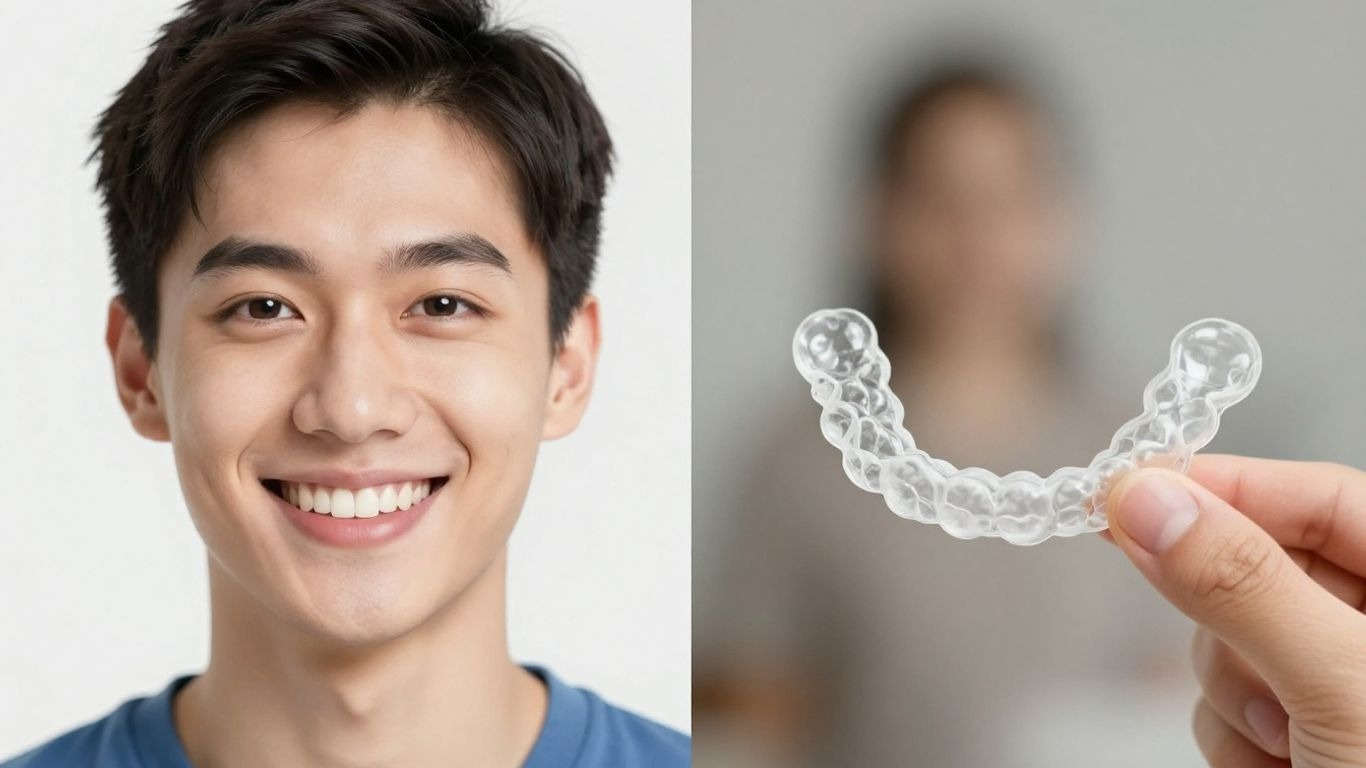
So, you're thinking about Invisalign, huh? It's pretty cool how these clear trays can straighten your teeth without all the metal wires. But have you ever stopped to wonder what these things are actually made of? It’s not just some random plastic; there’s some real science behind it. Knowing what goes into your aligners can actually make a difference in how you feel about the whole process.
SmartTrack: The Secret Sauce
Invisalign has this special material called SmartTrack. It’s not something you'll find in just any clear aligner. This stuff is designed to be really comfortable and, more importantly, to move your teeth precisely where they need to go. Think of it like a custom-fit glove for your teeth, but one that’s actively working to reshape your smile. It's also pretty durable, meaning it can handle the job without breaking down too quickly. This material is a big reason why Invisalign can offer such controlled tooth movement.
Beyond The Brand: Other Clear Aligner Materials
While Invisalign has its SmartTrack, other companies use different plastics. Some might use more generic thermoplastics, while others could opt for materials that are less flexible or durable. It’s kind of like comparing a high-end smartphone to a budget model – they both make calls, but the experience and capabilities can be worlds apart. You might find that some generic aligners feel stiffer, or maybe they don't snap back into place as well after you take them out. This can affect how well they fit and how effectively they move your teeth.
Is It Safe? Unpacking The Safety Of Invisalign Materials
This is a big one, right? You're putting something in your mouth for hours every day. Invisalign materials are medical-grade plastics. They've been tested and approved to be safe for contact with your gums and mouth tissues over extended periods. They're designed to be biocompatible, meaning they won't cause irritation or allergic reactions for most people. It’s not just about making teeth straight; it’s about doing it safely. You want to know that what you’re wearing is rigorously checked and meets high standards, and that’s definitely part of the Invisalign promise.
Invisalign vs. The Rest: A Material Breakdown
High-Quality Thermoplastics: The Invisalign Standard
So, what's the deal with the stuff Invisalign aligners are made of? It's not just any old plastic. Invisalign uses a special kind of thermoplastic, and it's pretty darn good. Think of it as a high-tech material that's designed to be both tough and a little bit bendy. This blend is key because it needs to apply just the right amount of pressure to nudge your teeth into place without snapping or feeling super rigid. It's this careful balance that helps make the treatment effective and, honestly, more comfortable than you might expect. They're also designed to be smooth and easy to clean, which is a big win when you're wearing them 24/7.
Generic Plastics: What Are You Really Getting?
When you look at other clear aligner brands, especially the ones that seem way cheaper, you have to wonder what they're using. Often, they're made from more basic plastics. These might get the job done for very simple tooth movements, but they can sometimes be stiffer, less precise, or even a bit rougher. Imagine trying to shape something with a material that's too brittle – it just doesn't work as well. Some of these generic plastics might not fit as snugly, which can lead to less predictable results. Plus, they might not have undergone the same level of testing for safety and durability that Invisalign has.
Flexibility vs. Strength: Finding The Right Balance
This is where the real difference lies. Invisalign's material, often called SmartTrack, is engineered to have a specific kind of flexibility. It can snap back into place, which is great for applying consistent pressure. It's also strong enough to withstand the forces involved in moving teeth over time. Other aligners might lean more towards being super strong but lack that elasticity, or they might be really flexible but not durable enough to last through the treatment. It's like choosing between a sturdy rubber band and a stiff piece of wire – both have their uses, but for gently guiding teeth, you need something that has the best of both worlds.
The material choice isn't just about comfort; it directly impacts how well your teeth move and how long your treatment takes. A well-designed material can make all the difference in achieving your desired smile efficiently.
The Science Behind Your Straight Smile
So, how do these clear aligners actually work their magic? It's not just about plastic pushing your teeth around. There's some pretty neat science involved in making sure your smile gets straighter without a mouthful of metal. Think of it like a carefully planned construction project for your teeth.
Strong Yet Flexible: The Magic Blend
The materials used in aligners, like the ones Invisalign uses, are specifically chosen for a reason. They're not just any old plastic. We're talking about special thermoplastics that have been engineered to be both tough enough to apply consistent pressure and flexible enough to fit snugly over your teeth. This balance is key. If they were too stiff, they'd be uncomfortable and hard to put on. Too flimsy, and they wouldn't do much moving.
Elasticity Matters: How They Fit So Well
Ever wonder why aligners seem to hug your teeth so perfectly? A lot of that comes down to elasticity. Materials like polyurethane resins are often mixed in. These give the aligners that little bit of stretch, allowing them to snap into place and grip your teeth effectively. This precise fit is what allows for controlled movement. The aligner applies gentle, steady pressure in specific directions, nudging your teeth into their new positions over time. It’s a bit like a very gentle, very persistent massage for your teeth.
Layers For Durability: Built To Last
Another cool aspect is how these aligners are constructed for durability. Many are made with multiple layers of plastic. This multilayer approach means they can withstand the daily grind – eating, drinking, and just being in your mouth for 20-23 hours a day – without breaking down too quickly. This layered design helps maintain the aligner's shape and the force it applies throughout its wear time, which is usually a week or two before you switch to the next one in the series. This careful material science is what allows for predictable tooth movement and a successful treatment outcome.
The whole process relies on a series of aligners, each slightly different from the last. As you move from one set to the next, you're essentially guiding your teeth through a pre-programmed path. It's a step-by-step journey, with each aligner building on the progress made by the one before it.
Here's a quick look at what makes them work:
- Controlled Pressure: The material is designed to exert a specific amount of force.
- Precise Fit: Elasticity ensures the aligner stays put and applies pressure evenly.
- Gradual Movement: Each aligner in the series represents a small, calculated shift.
- Material Strength: Durability means the aligner can do its job for its intended duration.
When Clear Aligners Might Not Cut It
Look, clear aligners like Invisalign are pretty amazing for a lot of people. They can straighten out your smile without anyone really noticing. But, and this is a big 'but,' they aren't a magic wand for every single dental situation. It's super important to know when these aligners might not be the best tool for the job, so you don't end up disappointed or, worse, with a treatment that doesn't quite work.
Limited Scope: Not For Every Crooked Tooth
If you've got just a little bit of crowding or a minor gap, clear aligners are often a fantastic choice. They're designed to gently nudge your teeth into a better position. However, if your teeth are severely crooked, or if you have really complex bite issues, aligners might not have the power to make the necessary changes. Think of it like trying to move a heavy piece of furniture with just your pinky finger – it's probably not going to budge much. For those more serious cases, traditional braces or other orthodontic treatments might still be the way to go.
Intensity of Movement: When To Consider Other Options
Clear aligners work by applying consistent, gentle pressure. This is great for moving teeth gradually over time. But when you need to make big shifts, like rotating a tooth significantly or moving it a long distance, the force required might be beyond what typical clear aligners can provide effectively. Sometimes, orthodontists use special attachments on the teeth with aligners to help with this, but even then, there are limits. If your treatment plan involves drastic tooth movements, it's worth discussing with your orthodontist if aligners are the most efficient route.
Natural Teeth Only: What About Dental Work?
Clear aligners are made to work with your natural tooth structure. If you have crowns, bridges, veneers, or other dental work, it can complicate things. Aligners might not fit properly over these restorations, or they might not be able to move the teeth underneath them as intended. In some cases, your dentist might be able to work around existing dental work, but often, it means you'll need to explore different treatment options. It's always best to be upfront with your orthodontist about any dental work you've had done.
It's really about matching the right tool to the right problem. While clear aligners are a game-changer for many, they have their limits, and understanding those limits is key to a successful and satisfying orthodontic journey.
Comfort And Convenience: What To Expect
When you're thinking about straightening your teeth with clear aligners, comfort and how easily they fit into your daily life are huge factors. Nobody wants to feel like they're constantly battling their dental work, right? Thankfully, most clear aligners, including Invisalign, are designed with this in mind. They aim to be as unobtrusive as possible, letting you go about your day without too much fuss.
Feeling Them In: The Adjustment Period
Okay, let's be real for a second. When you first pop in a new set of aligners, there's usually a little bit of a 'what is this?' feeling. It's totally normal. Your mouth is sensitive, and anything new sitting on your teeth will feel… well, new. You might notice a bit of pressure, especially as the aligners start doing their job and nudging your teeth. Some people describe it as a mild tightness or even a slight soreness. This initial adjustment period typically lasts a few days to a week. Most people find that after this initial phase, they barely notice the aligners are there. It's like breaking in a new pair of shoes – a little awkward at first, but then they become part of you.
Easy Cleaning, Easy Living
One of the biggest perks of clear aligners over traditional braces is how simple they are to keep clean. No complicated wires or brackets to scrub! You just take the aligners out, brush your teeth like you normally would, and then brush the aligners themselves. A quick rinse, and you're good to go. Some people like to use a special aligner cleaner or even a gentle soap, but plain water and a soft brush usually do the trick. This makes maintaining good oral hygiene a breeze, which is super important when you're trying to move teeth.
Here’s a quick rundown on keeping things clean:
- Brush your teeth: Always brush and floss before putting your aligners back in.
- Clean your aligners: Use a soft toothbrush and cool water. Avoid hot water, as it can warp the plastic.
- Store them safely: When they're out, keep them in their case to prevent damage or loss.
Can You Eat Everything? Flexibility Is Key
This is a big one for a lot of people. Unlike braces, clear aligners are removable. This means you can take them out to eat and drink. So, yes, you can still enjoy your favorite foods! However, there's a catch: you should only drink water while wearing your aligners. Anything else – soda, coffee, juice, wine – can stain the aligners, get trapped between the aligner and your teeth, and potentially cause issues. So, while you don't have to avoid specific foods like you would with braces, you do need to be mindful of taking them out for meals and drinks (other than water) and rinsing your mouth afterward. It adds a few extra steps to your mealtime routine, but it's a small price to pay for a straighter smile without dietary restrictions.
The removable nature of clear aligners is a major convenience factor. It means you don't have to change your eating habits drastically, and keeping your mouth clean is much more straightforward compared to fixed braces. This ease of use is a big reason why many people opt for this modern orthodontic solution.
The Price Tag: What's The Difference?
Okay, let's talk about the elephant in the room: money. Getting your teeth straightened isn't exactly pocket change, and the cost can really vary depending on what you choose. Invisalign, being the big name, often comes with a higher price tag. This is partly because of the advanced materials they use, like their SmartTrack plastic, and also because it usually involves more frequent visits to a specialized orthodontist.
On the flip side, you've got other clear aligner brands that often position themselves as more budget-friendly. These companies sometimes cut costs by offering more of an at-home treatment model, meaning fewer (or no) in-person appointments. This can save you time and money on travel and appointment fees, but it's worth considering what you might be giving up in terms of direct professional oversight.
Invisalign's Investment: Why The Cost?
So, why does Invisalign tend to cost more? For starters, their patented SmartTrack material is designed for a precise fit and controlled tooth movement, which is a big deal for complex cases. Plus, the treatment plan is usually crafted and monitored by an orthodontist or dentist who has undergone specific Invisalign training. These professionals are there to guide you through every step, adjust the plan as needed, and handle any unexpected issues. Think of it as a premium service with a premium price.
Budget-Friendly Alternatives: What You Get
Brands that aren't Invisalign often aim to be more accessible. They might use different, though still effective, plastic materials. The biggest cost difference usually comes from the treatment model. Many of these alternatives rely on at-home impression kits and remote monitoring by dental professionals. This cuts down on overhead for the company and saves you the hassle of regular office visits. You're essentially paying for the convenience and a streamlined process, which can make a significant dent in the overall cost compared to traditional Invisalign.
Office Visits vs. At-Home Kits: Saving Time And Money
This is where the real trade-off happens. Invisalign typically requires you to visit your orthodontist every 4-6 weeks. While these visits are important for tracking progress and making sure everything is on track, they add up in terms of time and money. You're commuting, waiting, and paying for that chair time. On the other hand, brands that use at-home kits and virtual check-ins can be a huge time and money saver. You do your impressions at home, mail them in, and then communicate with your dental provider via an app or video calls. This shift from in-office to at-home care is a major factor in the price difference between Invisalign and many other clear aligner options.
| Feature | Invisalign | Other Clear Aligners (Examples) |
|---|---|---|
| Typical Cost | $3,000 - $8,000 | $1,800 - $2,500 |
| Office Visits | Required (monthly) | Optional/Remote |
| Impression Method | In-office scan | At-home kit or in-office scan |
| Retainers | Varies | Often included or lower cost |
So, What's the Verdict?
Alright, so we've talked a lot about what makes Invisalign tick, from the special plastic they use to how they stack up against other options out there. It's pretty clear that while Invisalign is a big name for a reason, there are definitely other players in the clear aligner game. Whether you're looking at the materials, the price tag, or how often you need to see the dentist, there's a lot to think about. Ultimately, the best choice really depends on what you need for your teeth and your budget. Chatting with your dentist is probably the smartest move to figure out which path leads to your perfect smile.
Frequently Asked Questions
What makes Invisalign's SmartTrack material special?
SmartTrack is a special plastic made just for Invisalign. It's designed to fit your teeth really well and move them exactly where they need to go. This helps make your treatment work better and can even make it go faster if you wear them as directed.
Are other clear aligners made from different materials?
Yes, other clear aligners can be made from different types of plastics. Some might use more basic plastics that aren't as strong or flexible. It's good to know that the materials can affect how well the aligners fit, how comfortable they are, and how effectively they move your teeth.
Is it safe to put these plastic aligners in my mouth?
Invisalign uses medical-grade plastics that are tested and safe for long-term use in your mouth. Other brands also aim to use safe materials, but it's always smart to check if they meet safety standards, especially if they seem much cheaper.
Can Invisalign fix any kind of crooked teeth?
Invisalign is great for many common teeth straightening needs, but it might not be the best choice for really complicated cases. If your teeth are severely crooked or you have other major bite issues, your dentist might suggest different treatment options.
How do Invisalign aligners feel compared to other clear aligners?
Invisalign aligners are known for being quite comfortable because of their SmartTrack material. Other clear aligners might feel different. Some can be a bit stiffer, while others might be thinner. The goal is always to make them comfortable enough for you to wear them consistently.
Why does Invisalign sometimes cost more than other clear aligner brands?
The price difference often comes down to the advanced materials like SmartTrack, the research and development that goes into them, and the overall treatment plan that usually includes regular check-ins with your dentist. Cheaper options might use less advanced materials or offer less personalized care.
Blog Post Author

Contributed by DentalROI
DentalROI provides relevant dental content to help providers educate patients. The statements, services, and products referenced in this article have not been evaluated by the Food and Drug Administration, and they are not intended as a substitute for professional medical advice, diagnosis, or treatment. Always seek the advice of your dental provider with any questions or issues you may have. Specific recommendations may vary in different circumstances, so individual consultation is important.