Why Do Teeth Become More Sensitive as You Age?
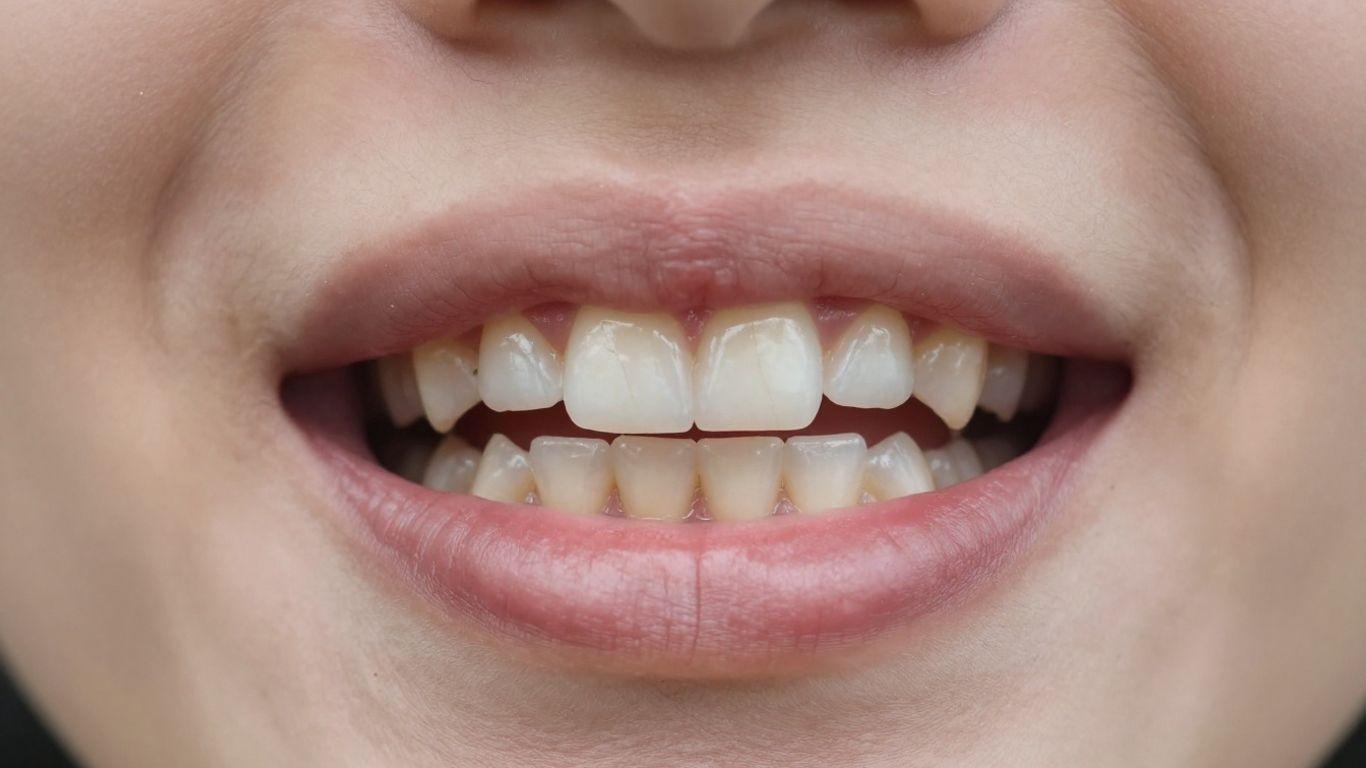
It's a common question: why do teeth become more sensitive as you age? You might notice a sharp zing when you sip your morning coffee or a twinge when you bite into something sweet. It's not just in your head; your teeth can indeed become more sensitive as the years go by. This isn't necessarily a sign that something is terribly wrong, but it's definitely a signal that your mouth is changing.
Tooth Sensitivity With Age: Common Causes
Several things can contribute to tooth sensitivity with age causes. Think of your teeth like a well-worn pair of shoes; they've seen a lot of action over the years. The tough outer layer, called enamel, can wear down from a lifetime of chewing, grinding, and even just regular use. Once that enamel thins, it exposes the softer layer underneath, known as dentin. This dentin has tiny tubes that lead directly to the nerve of your tooth. When these tubes are exposed, hot, cold, sweet, or acidic foods and drinks can easily trigger that sensitive feeling.
Another big player is gum recession. As we get older, gums can pull back from the teeth, exposing the root surfaces. These roots aren't protected by enamel, so they're much more vulnerable to sensitivity.
Why Older Adults Experience Sensitive Teeth
So, why older adults experience sensitive teeth more often? It's a combination of factors. The natural wear and tear on enamel is a major one. Add to that the increased likelihood of gum recession, and you've got a recipe for sensitivity. Sometimes, old fillings can start to leak or crack, which also makes teeth more sensitive. Even lifestyle habits, like drinking a lot of acidic beverages or grinding your teeth at night, can speed up this process.
It's important to remember that sensitivity isn't just a normal part of aging; it's a sign that something is happening in your mouth that needs attention. Ignoring it can lead to bigger problems down the road.
Here are some common triggers for sensitivity:
- Cold: Sipping cold water or breathing in cold air.
- Hot: Enjoying a warm cup of tea or soup.
- Sweet: Indulging in desserts or sugary snacks.
- Acidic: Consuming citrus fruits or certain drinks.
- Pressure: Biting down on food, especially if there's a crack or worn filling.
Aging and Increased Tooth Sensitivity: Reasons Explained
So, why do our teeth seem to throw a little tantrum more often as the years go by? It's not just a random thing. Several factors related to aging and increased tooth sensitivity reasons team up to make things a bit more… zingy.
How Aging Affects Tooth Enamel and Sensitivity
Think of your tooth enamel like a shield. It’s tough, but over a lifetime of chewing, grinding, and maybe even the occasional accidental crunch, it starts to wear down. This thinning is totally normal as we age. When the enamel gets thinner, it exposes the layer underneath called dentin. Dentin is softer and has all these tiny little tubes, kind of like microscopic straws, that lead straight to the nerve of your tooth.
When these tiny tubes in the dentin are exposed, things like hot or cold temperatures, or even sweet and acidic foods, can travel down them and tickle the nerve. That tickle feels like pain, and bam! Tooth sensitivity.
Another big player is gum recession. As we get older, gums can naturally pull back from the teeth. This exposes the root surfaces, which aren't protected by enamel at all. The roots are much more sensitive, so anything from a cold breeze to brushing too hard can cause a sharp jolt.
Here’s a quick rundown of what happens:
- Enamel Wears Down: Over decades, chewing and grinding gradually thin out the protective enamel layer.
- Dentin Exposure: As enamel thins, the dentin beneath, with its tiny tubules, becomes more exposed.
- Gum Recession: Gums can recede with age, exposing sensitive root surfaces.
- Old Fillings: Fillings don't last forever. If they start to leak or wear down, they can create little gaps where sensitivity can sneak in.
It’s a combination of these things that makes older adults more prone to feeling that sudden, sharp pain when they eat or drink something that’s too hot, too cold, or too sweet. It’s like your teeth are sending out a little warning signal that something’s changed.
Common Signs of Age-Related Tooth Sensitivity
So, your teeth are starting to feel a little… zingy? It’s not just in your head. As we get older, our teeth can become more sensitive, and it often shows up in ways that can really throw a wrench in your day. Think of it like your body sending little signals that something’s up.
When Should You See a Dentist for Sensitive Teeth?
Sometimes, that sharp twinge when you sip your iced coffee or bite into a piece of fruit is just a heads-up. But other times, it’s a sign that you really need to get it checked out. Don't just brush it off, okay?
Here are some common ways sensitivity might show up:
- Sudden, sharp "zings": This is the classic. You take a bite of something cold or hot, and BAM! A quick, intense pain that disappears just as fast. It’s like a tiny electric shock.
- Discomfort with temperature changes: Sipping hot soup on a chilly day or drinking cold water after a workout can suddenly become an unpleasant experience.
- Pain when eating sweets: That ice cream cone or a piece of candy might bring on a surprising jolt of pain.
- Sensitivity when biting down: If you feel a sting when you chew, especially on certain foods, it could mean there’s a crack or a filling issue.
- Lingering ache: While often it's a quick zap, sometimes the sensitivity can stick around for a bit, making you hesitant to eat or drink.
Ignoring these signals can lead to bigger problems down the road. What starts as a minor twinge could become a more serious issue if left unaddressed. It’s always better to be safe than sorry when it comes to your teeth.
If the pain is more than just a fleeting moment, if it wakes you up at night, or if it happens every time you eat or drink something, it’s definitely time to pick up the phone and make that dental appointment. Seriously, don't wait around hoping it'll magically fix itself. Your dentist can figure out exactly what's going on and help you get back to enjoying your favorite foods without a second thought.
How to Treat and Prevent Sensitive Teeth as You Age
Okay, so your teeth are feeling a bit more sensitive lately. It happens, right? But don't just live with the ouchies. There are definitely ways to tackle this and even stop it from getting worse. It’s all about being smart with your daily routine and knowing when to get a little professional help.
Best Toothpaste and Habits for Sensitive Teeth
First off, let's talk about what you can do right at home. It’s not super complicated, and honestly, making a few small changes can make a big difference.
- Switch Up Your Toothpaste: This is a big one. Look for toothpastes specifically designed for sensitive teeth. They usually have ingredients that help block those tiny pain signals from reaching the nerves inside your teeth. You might need to try a couple to find one that works best for you, but it’s worth the effort.
- Brush Gently: Seriously, ease up on the pressure. Using a toothbrush with soft bristles and a light touch is key. Scrubbing too hard can actually wear down your enamel and make your gums pull back, which just makes sensitivity worse. Think of it as a gentle massage for your teeth, not a power wash.
- Rinse After Acidic Stuff: Had coffee, wine, or a citrusy snack? Give your mouth a quick rinse with plain water afterward. These foods and drinks can temporarily soften your enamel, and rinsing helps wash away the acids before they can do too much damage.
- Stay Hydrated: Saliva is your mouth's natural defense system, and it helps neutralize acids. If you're dealing with dry mouth, which can happen more as we age (thanks, medications!), drinking plenty of water is super important. It keeps things moist and helps protect your teeth.
Sometimes, sensitivity isn't just about what you eat or how you brush. Things like grinding your teeth at night, even if you don't realize you're doing it, can cause a lot of wear and tear. If you suspect you might be grinding, it's definitely something to bring up with your dentist.
- Consider Your Diet: While it's tempting to load up on sugary or acidic snacks, try to balance them out. Foods like cheese, nuts, and crunchy fruits and veggies can actually help clean your teeth and neutralize acids. It’s all about balance, really.
- Don't Skip Dental Visits: This might seem counterintuitive when your teeth hurt, but regular checkups are more important than ever. Your dentist can spot early signs of trouble, like tiny cracks or gum recession, before they become major problems. They can also offer treatments like fluoride applications or special varnishes that can strengthen your teeth and reduce sensitivity.
Conclusion
It's pretty common for teeth to feel more sensitive as we get older. Things like thinner enamel, receding gums, and even old fillings can play a role. But don't worry, it doesn't mean you have to live with the pain. By paying attention to your oral hygiene, using the right toothpaste, and seeing your dentist regularly, you can keep your smile comfortable and healthy for years to come. Taking these steps can make a big difference in enjoying your favorite foods and drinks without that sudden, sharp discomfort.
Frequently Asked Questions
Why do my teeth hurt when I eat something cold or hot now?
As you get older, the hard outer layer of your teeth, called enamel, can wear down. Also, your gums might pull back a bit. This exposes a softer part of your tooth called dentin, which has tiny tubes leading to the nerve. When something hot or cold touches these tubes, it can send a quick, sharp pain signal to your nerve.
Is tooth sensitivity just a normal part of getting older?
While aging can make your teeth more likely to become sensitive, it's not always just 'normal.' Sensitivity is usually a sign that something needs attention, like thinning enamel or receding gums. It's like a little warning light for your teeth.
Can my gums receding cause tooth sensitivity?
Yes, absolutely. Your gums act like a protective shield for the roots of your teeth. When gums pull back, or recede, those sensitive root surfaces get exposed. Since they don't have the same strong enamel covering as the rest of your tooth, they can easily become sensitive to temperature changes or certain foods.
What kind of toothpaste is best for sensitive teeth?
Look for toothpastes that are made for sensitive teeth. These usually have ingredients that help block the tiny tubes in your dentin, so the signals of hot, cold, or sweet don't reach your tooth's nerve as easily. It might take a couple of weeks of using it regularly to really feel a difference.
Should I worry if my teeth feel sensitive when I chew?
If you feel pain when you bite down, it's a good idea to get it checked out by a dentist. It could mean there's a small crack in your tooth, a filling might be leaking, or there could be another issue that needs fixing. It's better to find out what's causing it sooner rather than later.
How can I stop my teeth from getting more sensitive?
You can help prevent more sensitivity by brushing gently with a soft toothbrush, using fluoride toothpaste, avoiding acidic drinks and foods, and seeing your dentist for regular check-ups. If you grind your teeth, a night guard can also help protect your enamel.
Blog Post Author

Contributed by DentalROI
DentalROI provides relevant dental content to help providers educate patients. The statements, services, and products referenced in this article have not been evaluated by the Food and Drug Administration, and they are not intended as a substitute for professional medical advice, diagnosis, or treatment. Always seek the advice of your dental provider with any questions or issues you may have. Specific recommendations may vary in different circumstances, so individual consultation is important.